
In today's rapidly evolving technological landscape, the convergence of blockchain and 5G has garnered significant attention for its potential to revolutionize various industries. Let's delve into how these two groundbreaking technologies can synergize and the implications of their integration.
1.
Blockchain is a decentralized and distributed ledger technology that enables secure and transparent recording of transactions across a network.
Its key features include immutability, transparency, decentralization, and cryptographic security.
Blockchain is widely known for its applications in finance, supply chain management, healthcare, and more, where trust and transparency are paramount.
2.
5G, the fifth generation of wireless technology, offers unparalleled speed, low latency, and high connectivity.
It enables massive machinetype communications (mMTC), ultrareliable low latency communications (URLLC), and enhanced mobile broadband (eMBB), paving the way for futuristic applications.
5G's capabilities extend beyond smartphones to support a wide range of devices, including IoT sensors, autonomous vehicles, and augmented reality (AR)/virtual reality (VR) devices.
1.
The marriage of blockchain's cryptographic security and 5G's secure communication infrastructure can fortify data privacy and integrity.
Blockchain can authenticate devices and establish secure communication channels in 5G networks, mitigating security threats such as unauthorized access and data breaches.
2.
5G's low latency and high bandwidth enable efficient edge computing, where data processing occurs closer to the data source.
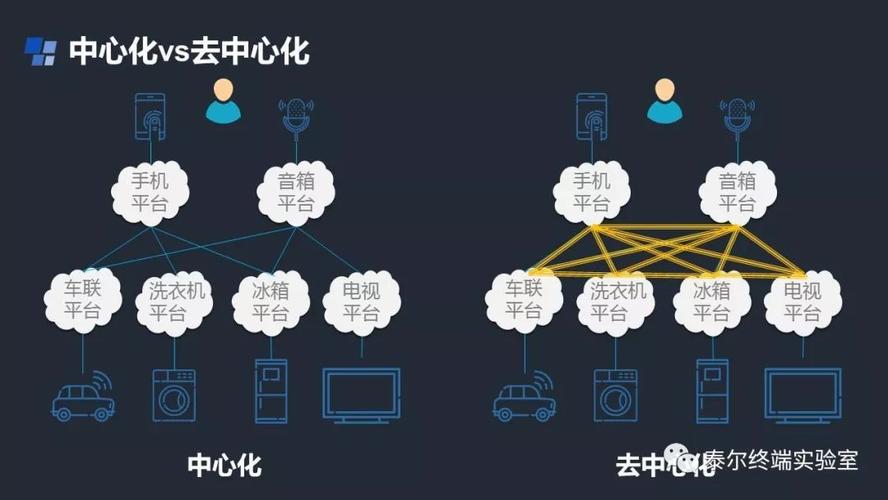
By combining blockchain's decentralized architecture with edge computing, organizations can create distributed networks that facilitate realtime transactions and data processing at the edge.
3.
Integrating blockchain with 5G can revolutionize IoT applications and supply chain management.
IoT devices equipped with 5G connectivity can seamlessly interact with blockchain networks, enabling transparent tracking and tracing of goods throughout the supply chain.
Smart contracts on blockchain can automate processes like payments, verification, and compliance, reducing delays and enhancing efficiency.
4.
The fusion of blockchain and 5G enables individuals to monetize their data securely.
With 5G's highspeed connectivity, users can seamlessly share data on blockchain platforms while retaining ownership and control.
Smart contracts can facilitate direct transactions between data providers and consumers, eliminating intermediaries and ensuring fair compensation.
1.
Both blockchain and 5G face scalability challenges when handling a large volume of transactions and data.
Addressing scalability concerns requires innovative solutions such as sharding, offchain transactions, and network slicing in 5G networks.
2.
The integration of blockchain and 5G may raise regulatory challenges, particularly regarding data privacy, security, and compliance.
Collaboration between policymakers, industry stakeholders, and regulatory bodies is essential to establish frameworks that promote innovation while safeguarding users' rights.
3.
Ensuring interoperability between diverse blockchain networks and 5G infrastructure is crucial for seamless integration.
Standardization efforts are needed to develop protocols and interfaces that facilitate communication and interoperability across heterogeneous systems.
1.
Continued investment in research and development is vital to unlock the full potential of blockchain5G integration.
Collaborative efforts between academia, industry, and government agencies can drive innovation and address technical challenges.
2.
Organizations should embark on pilot projects to explore the feasibility and efficacy of blockchain5G applications across various sectors.
Identifying use cases with tangible benefits, such as supply chain traceability, healthcare data management, and smart cities, can drive adoption and investment.
3.
Educational initiatives and training programs should be launched to equip professionals with the skills and knowledge needed to harness blockchain and 5G technologies effectively.
Building a talented workforce proficient in both domains will facilitate the development and deployment of innovative solutions.
In conclusion, the convergence of blockchain and 5G holds immense promise for transforming industries, enhancing security, and unlocking new economic opportunities. By leveraging their complementary strengths and addressing inherent challenges, stakeholders can chart a path towards a more decentralized, secure, and connected future.
[Provide links or citations to relevant sources if needed]
版权声明:本文为 “联成科技技术有限公司” 原创文章,转载请附上原文出处链接及本声明;