"区块链发票机器编码查询" translates to "Blockchain Invoice Machine Code Query" in English. This seems to suggest a query related to blockchain technology and invoice machine codes. Let's break down what this might entail and how it could be implemented.
1.
Blockchain
: Blockchain is a decentralized, distributed ledger technology that records transactions across multiple computers in a way that is tamperresistant and transparent. Each block in the chain contains a number of transactions, and every time a new transaction occurs, a record of that transaction is added to every participant's ledger.
2.
Invoice Machine Code
: This likely refers to a unique identifier or code associated with invoicegenerating machines. In many industries, especially in retail and finance, machines are used to generate invoices for transactions. These invoices often have unique identifiers or codes associated with them for tracking and recordkeeping purposes.
3.
Query
: The term "query" suggests that someone wants to retrieve information or perform an action related to these invoice machine codes, possibly on a blockchain platform.
Putting it all together, "Blockchain Invoice Machine Code Query" could refer to a system or process where users can query or search for information related to invoice machine codes using blockchain technology. Here's how such a system might work:
Recording Invoice Data on the Blockchain
: Each time an invoice is generated by a machine, relevant information such as the invoice number, date, amount, and machinegenerated code is recorded on a blockchain ledger. This ensures the immutability and transparency of the invoice data.
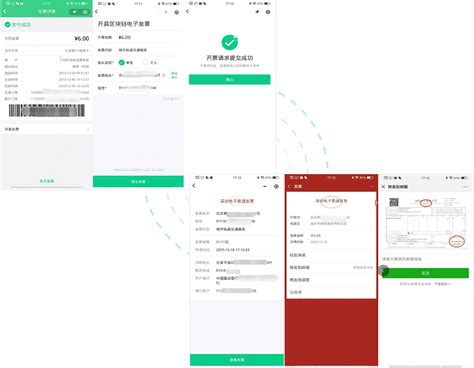
Querying Invoice Machine Codes
: Users, such as auditors, regulators, or stakeholders, can query the blockchain using various parameters such as invoice number, date range, or machine code to retrieve specific invoice information.
Blockchain Verification
: The blockchain provides a trusted source of information, allowing users to verify the authenticity and integrity of invoice data. Since blockchain ledgers are distributed and decentralized, there is no single point of failure or vulnerability to tampering.
Smart Contracts
: Smart contracts could be utilized to automate certain actions or processes based on the queried invoice data. For example, a smart contract could automatically trigger a payment once a specific invoice is verified on the blockchain.
Overall, implementing a system like "Blockchain Invoice Machine Code Query" could enhance transparency, security, and efficiency in invoice management and auditing processes. It leverages the strengths of blockchain technology to create a tamperresistant and auditable record of invoice data.